To my dear sons (JC Durbant)

4 mars, 2026
THREE THINGS I TOO HAD TO LEARN ALONE (To my dear sons)
Fichier:(Toulouse) Musée des Augustins - Adoration des Mages - STOMER Mathias - Joconde05620001277.jpgImageImageImage
Three separate moments, years apart
Like little epiphanies from the gift-bearing three kings of yore
Each small, private, at the time unexplained
Common to most childhoods, yet felt then as if only mine
First, the shoes
I turned them over one day
Each sole worn unevenly, from one side to the other
One edge thin, almost through, the opposite still thick
I thought it was only me, my feet maybe walked wrong
No one had ever told me nature didn’t wear out evenly
Such imperfections hidden in the smallest things
Wasn’t the world supposed to be all perfect and fair ?
Now suddenly showing its cracks
Second, the plugs
On the floor: male plugs with prongs, female sockets with holes
How could you not see it?
The forbidden act, the one adults hushed, banned from mention
Brazenly, shamelessly spelled out, in plastic and metal
Male entering female, fitting, coupling
Language shouted it in the open
How could words be so graphic about such an unmentionable thing ?
Third, my sister
Visiting one of my aunt’s friends I really liked in her hotel room
My little sister did I can’t remember what
How could I not tell Auntie Tess?
But she turned on me: “Don’t rat on your sister !”
I stood confused
No one had ever told me “always tell the truth” had silent exceptions
Rules also had their fine print
Three little, distinct shocks
My own treasured gold, frankincense, and myrrh, now mine to pass on
About our world’s inevitable imperfections, contradictions and exceptions
It wasn’t lies so much as silences
Not all truths were said — or meant to be told

TROIS CHOSES QUE MOI AUSSI J’AI DÛ APPRENDRE SEUL (À mes chers fistons)

Trois moments, séparés peut-être par des années
Petites épiphanies offertes des trois rois mages d’antan
Furtifs, secrets, si mystérieux à l’époque
Communs à la plupart des enfances, mais uniques pour moi alors
D’abord, les chaussures
Je les retournai un jour
Chaque semelle usée inégalement, d’un bord à l’autre
Un côté fin, presque percé, l’autre intact
Peut-être que c’était moi, mes pieds qui marchaient pas droit
Personne ne m’avait jamais dit, la nature ne s’usait pas partout pareil
De telles imperfections cachées, même dans les plus petites choses
Le monde, jusque-là si parfait, si juste
Qui soudain révélait ses fissures
Ensuite, les prises
Par terre : les broches des fiches mâles, les trous des prises femelles
Comment ne pas voir ?
L’acte interdit, celui que les adultes taisaient, qu’ils interdisaient même de nommer Affiché là sans vergogne aucune, entre plastique et métal
Le mâle entrant dans la femelle, se pénétrant, s’accouplant
Les mots le criaient au grand jour
Comment pouvait-on exhiber si crûment l’interdit des interdits ?
Enfin, ma sœur
Dans la chambre d’hôtel de l’amie, que j’aimais bien, de ma tante
Ma petite sœur, qui avait fait je ne sais plus quoi
Comment ne pas le dire à Tatie Thérèse ?
Mais elle me rembarra tout net : « On ne dénonce pas sa sœur ! »
Comment ça ?
Personne ne m’avait jamais dit, « toute la vérité » avait ses exceptions, ses non-dits
Les règles aussi avaient leurs clauses cachées
Trois petits chocs distincts
Mon propre or, encens et myrrhe à transmettre précieusement à présent à mon tour
Sur ces inévitables imperfections, contradictions et exceptions dont est fait notre monde Pas vraiment des mensonges, juste des silences
Toutes les vérités n’étaient pas dites — ni bonnes à dire
https://jcdurbant.wordpress.com/2026/01/04/epiphanie-trois-choses-que-moi-aussi-jai-du-apprendre-seul-a-mes-chers-fils-three-things-i-too-had-to-learn-alone-to-my-dear-sons/
MY LIFE FOR A LADDER !
Image
This effect of an interrupted trajectory … like a projectile carried by its inertia… a betrayed promise.  Pierre Bourdieu (1978)
And behold the angels of God ascending and descending on it. Genesis 28: 12
The ladder, infinite, against the blue
So many missing, broken rungs
I stretched and stretched
Dad failed so bad, mom so useless
Gentle Granny had to go away and die
Evil Thénardiers, but thank God,  Angel Auntie on it
The ladder, infinite, against the blue
So many missing, broken rungs
The ladder would just not help
Then, I woke up
MA VIE POUR UNE ÉCHELLE !
Cet effet de trajectoire interrompue… comme un projectile emporté par son inertie… une promesse trahie. Pierre Bourdieu (1978)
Et voici, les anges de Dieu montaient et descendaient par elle. Genèse 28:12
L’échelle, infinie, contre le bleu du ciel
Tant de barreaux manquants, cassés
Et moi, m’étirant, m’étirant
Papa, si défaillant, maman, si inutile
Douce Mamie qui a dû partir et mourir
Thénardiers malfaisants, mais Dieu merci, l’Ange Tanty là
L’échelle, infinie, contre le bleu du ciel
Tant de barreaux manquants, cassés
L’échelle n’y pouvait tout simplement rien
Puis, moi, qui me réveille
https://jcdurbant.wordpress.com/2020/06/22/histoire-heros-des-uns-mechants-des-autres-when-our-thenardiers-turn-out-to-be-heroes/
TRUST YE NOT IN ANY BROTHER (To my dear sons)

ImageImageImageImage

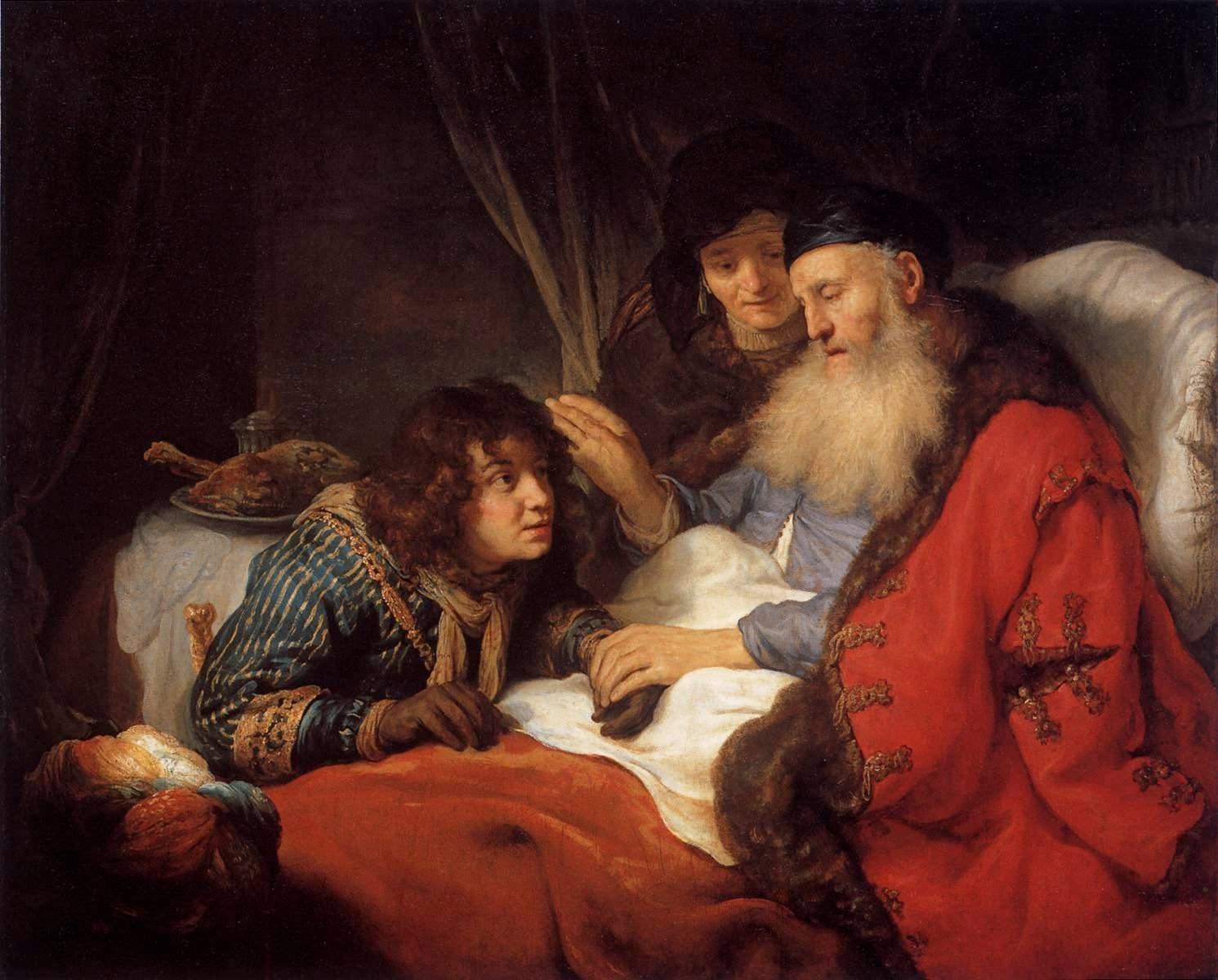
Trust ye not in any brother: for every brother will utterly supplant. Jeremiah 9:4
We tend to naively think of sibling relationships as affectionate and close. But examples from mythology, literature, and history paint a different picture and provide countless examples of violent conflicts. (…) Cain and Abel or Jacob and Esau, Romulus and Remus, [or] Richard the Lionheart and John Lackland. Even when they are not twins, brothers have many attributes in common that confuse them: they have the same father, the same mother, the same sex, the same relative position in society. This closeness and kinship makes them enemies and rivals. René Girard
Farmer Cain slays shepherd Abel
Blood cries from the furrowed earth
First civilization born in fratricidal blood
Shepherd Jacob steals from hunter Esau
Birthright for red stew
Second near fratricidal war
She-wolved Romulus buries twin Remus
Walls on brother’s spilled life
Third city-founding murder
And me nearly drowning my older brother
In the very baptistry
That old child-sacrifice substitute I later got baptized in
NE TE FIE A AUCUN DE TES FRÈRES (À mes chers fils)
Ne te fie à aucun de tes frères; car tout frère cherche à tromper. Jérémie 9: 4
Nous avons tendance à penser naïvement les rapports fraternels comme une affectueuse complicité. Mais les exemples mythologiques, littéraires et historiques dessinent une autre réalité et donnent d’innombrables exemples de conflits violents. Nous citions Caïn et Abel ou Jacob et Esaü mais il y a aussi Romus et Romulus (…) [ou] Richard Cœur de lion et Jean sans terre. Même quand ils ne sont pas des jumeaux, les frères ont de nombreux attributs en commun qui les confondent : ils ont le même père, la même mère, le même sexe, la même position relative dans la société. Cette proximité et cette parenté les rendent ennemis, concurrents. René Girard
Le paysan Caïn tue le berger Abel
Sang criant de la terre labourée
Première civilisation née dans le sang fratricide
Le berger Jacob vole au chasseur
Ésaü Droit d’aînesse contre ragoût rouge
Deuxième guerre fratricide évitée de justesse
Romulus, nourri par la louve, enterre son jumeau Rémus
Murailles sur vie fraternelle répandue
Troisième meurtre fondateur de ville
Et moi, manquant de noyer mon frère aîné
Dans le baptistère même
Ce vieux substitut au sacrifice d’enfant
Où plus tard je fus baptisé
https://jcdurbant.wordpress.com/2012/12/02/conflit-israelo-palestinien-qui-delivrera-les-conversos-palestiniens-de-leurs-religion-et-chefs-mortiferes-looking-at-the-middle-easts-best-kept-secret-the-jewish-origin-of-most-of-its-palestini/
HOW COULD GOD KILL ALL THOSE EGYPTIANS ? (Feb. 16, 2025)
https://jcdurbant.wordpress.com/wp-content/uploads/2013/03/jewishpopulation.jpg
The angels wanted to sing their song but the Holy One said: The work of My hands, the Egyptians, are drowning at sea, and you wish to say songs? This indicates that God does not rejoice over the downfall of the wicked.  Rabbi Yoḥanan (Talmud, Megillah 10 b)
From the Egyptian standpoint the departure of the Hebrews from Egypt was actually a justifiable expulsion (…) of a group of people suffering from various diseases (…) under the leadership of a certain Moses (…) They finally settled in Jerusalem and became the ancestors of the Jews. James G. Williams (2007)
Last night in Neuilly’s church
Priest and rabbi share the stand
How could God kill all those Egyptians, I ask
With that little American girl at her bat mitzvah ?
How can you doubt the word of God, the priest says
Where do you stop if you question everything ?
It’s just a question of faith
You trust the words or you don’t
The Talmud says we shouldn’t be too happy, the rabbi replies
Even God silenced the angels
Cut the celebration song short
About the drowning of His own creatures
But doesn’t plague after plague Exodus mock Egypt’s gods
Who themselves didn’t see it, I counter
As the expulsion of a contagious band of lepers
With every plague, from our Middle Ages to Gaza today, pinned on the baby-killers ?
Love your enemies, Jesus says
As your father suns and rains both just and unjust
And listen to the mouths of babes
Which is why I never could teach…
Such divine innocent massacres to my own sons
COMMENT DIEU A-T-IL PU TUER TOUS CES ÉGYPTIENS ?
Les anges voulaient chanter leur chant mais le Saint a dit : L’œuvre de Mes mains les Égyptiens se noient dans la mer et vous voulez entonner des louanges ? Cela montre que Dieu ne se réjouit pas de la chute des méchants. Rabbi Yoḥanan (Talmud, Megillah 10b)
Du point de vue égyptien le départ des Hébreux d’Égypte était en réalité une expulsion justifiée (…) d’un groupe de personnes souffrant de diverses maladies (…) sous la direction d’un certain Moïse. (…) Ils se sont finalement installés à Jérusalem et sont devenus les ancêtres des Juifs. James G. Williams (2007)
Hier soir à l’église de Neuilly
Prêtre et rabbin partagent l’estrade
Comment Dieu a-t-il pu tuer tous ces Égyptiens, je demande
Avec cette petite Américaine à sa bat mitzvah
Comment douter de la parole de Dieu, dit le prêtre
Où s’arrête-t-on si on commence à tout remettre en question
C’est juste une question de foi
On fait ou on fait pas confiance à la Parole
Le Talmud dit qu’on ne devrait pas être trop joyeux, répond le rabbin
Même Dieu a fait taire les anges
Coupé court aux célébrations
De la noyade de Ses propres créatures
Mais l’Exode ne moque-t-il pas, plaie après plaie, les dieux des Egyptiens
Qui eux-mêmes ne le voyaient-ils pas, je réplique
Comme l’expulsion d’une bande de lépreux et de pestiférés
Chaque plaie, de notre Moyen Âge à Gaza aujourd’hui, attribuée aux tueurs de bébés ?
Aimez vos ennemis, dit Jésus
Comme votre Père et son soleil et sa pluie sur les bons et les méchants
Et écoutez ce qui sort de la bouche des enfants
C’est pourquoi je n’ai jamais pu enseigner
De tels massacres d’innocents par Dieu à mes propres fils
https://jcdurbant.wordpress.com/2018/03/30/paque-3631e-comment-dieu-a-t-il-pu-tuer-tous-ces-egyptiens-when-are-we-finally-going-to-listen-to-our-own-children-and-stop-glorifying-the-liberation-of-one-group-at-the-expense-of-the-suffering-o/

WHAT DAYS TURNED FROM SORROW TO JOY ?

ImageImageImageImageImage

The days [that] turned (…) from sorrow to joy (…)  because Haman (…) the enemy of all the Jews(…) wicked device (…) returned upon his own head (…) should be remembered and kept throughout every generation, every family, every province, and every city. Esther 9: 20-28
A person is obligated to become intoxicated on Purim until he cannot distinguish between ‘cursed is Haman’ and ‘blessed is Mordecai. Talmud (Megillah 7b)
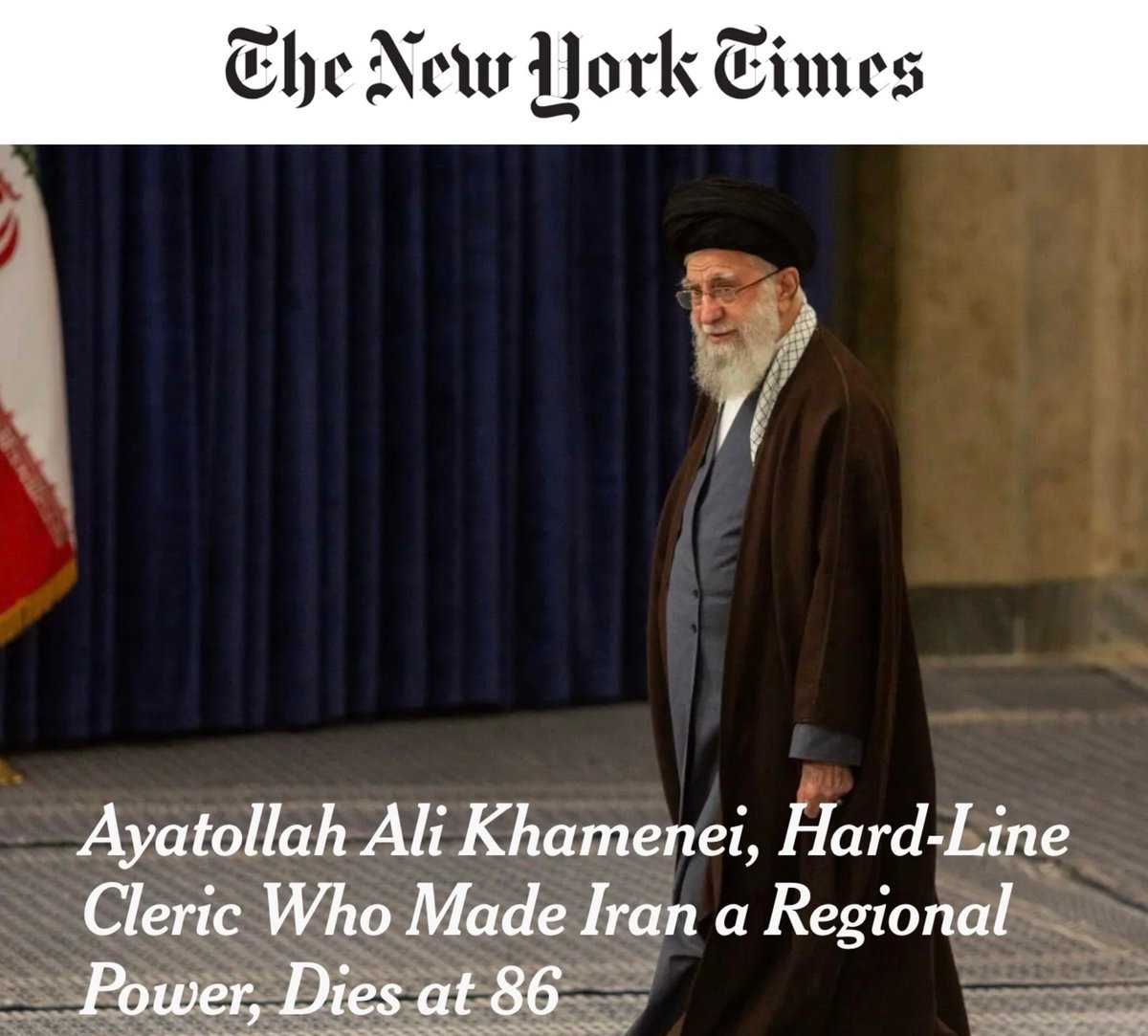
Why does a part of the global left prefer Khamenei alive over a free Iran? Kamel Daoud

Jews saved from Persian genocide
Eternally remembered 6000 years on In Godless Bible scroll
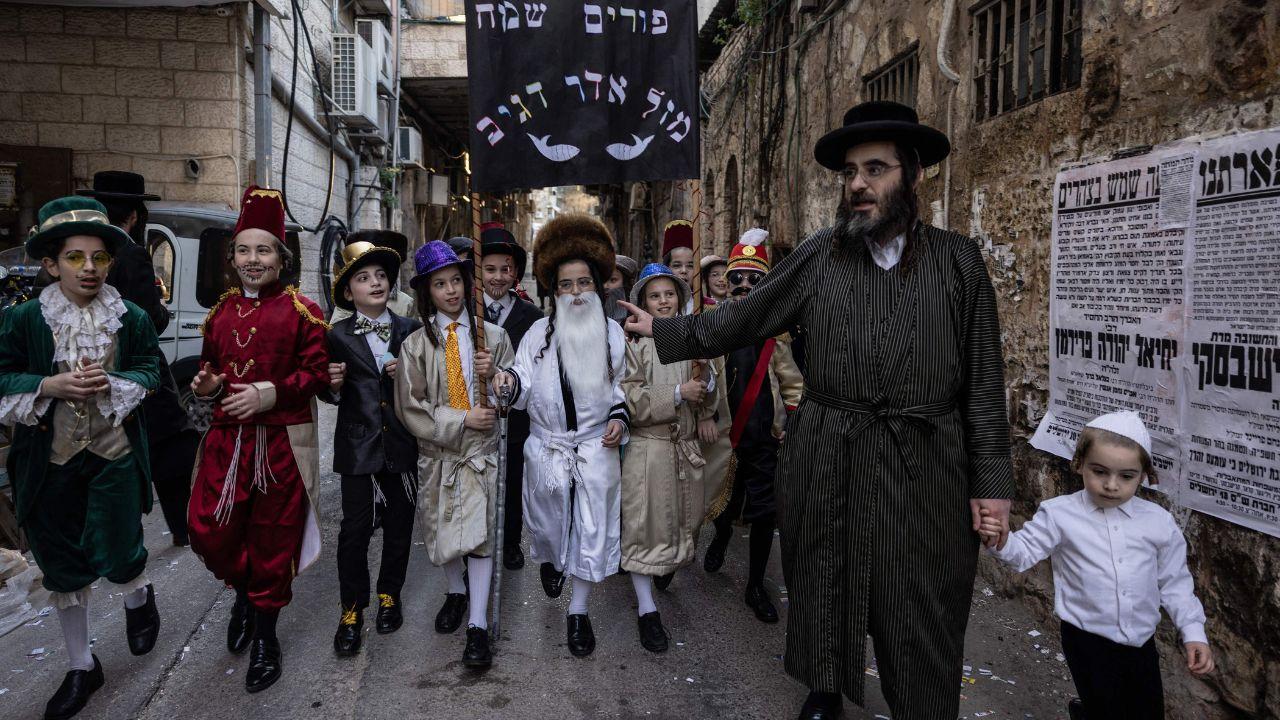
And anything-goes Purim carnival
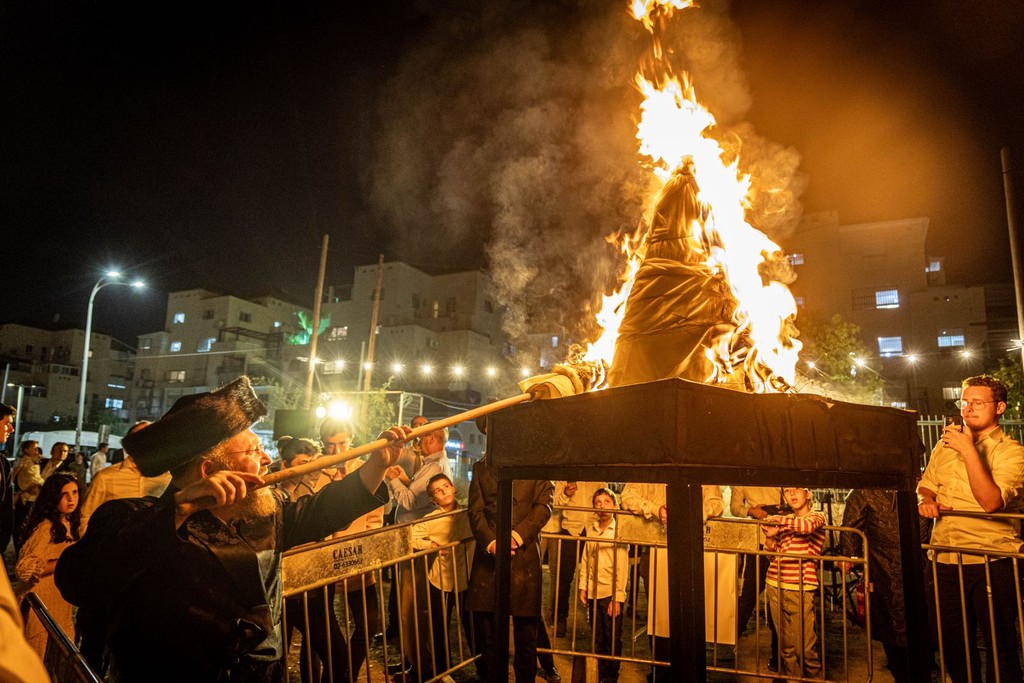
Complete with evil Haman burned

Putin-poodle Trump burns latter-day Haman to ash
With hacked anti-dissidents cameras
Persians happily chant, Americans mourn

International law, politicians condemn
Killers 16 times, the region’s sole democracy 112
Arab hypocrites cheer, fund the terrorists
Refuse their bases, too
Get a taste of their own medicine
Polls confirm as our far-left Replaces Le Pen as number-one Jew-hater

Masks fall as with China rocket fuel and space images
Hamas-like mullahs hide in schools and hospitals
The same that shot unarmed 30, 000 in the streets
In bombed barracks masquerading as school
Clueless media parrot the killers’ words

From Lille to Nice
We mindlessly go Through our own carnivals…
Yet unseen God turns sorrow to joy

QUELS JOURS DE DOULEUR CHANGÉS EN JOURS DE FÊTE ?

Mardochée (…) leur prescrivait de célébrer chaque année (…) les jours de douleur (…) changés en jours de fête (…) car Haman (…) persécuteur de tous les juifs, avait eu le projet de les exterminer tous (…) et (…) le roi ordonna (…) de faire retomber sur la tête d’Haman le méchant projet qu’il avait formé contre les Juifs, et de le pendre au bois (…) et (…) ces jours devaient être rappelés et célébrés de génération en génération, dans chaque famille, dans chaque province et dans chaque ville. Esther 9:20-28
Une personne est obligée de s’enivrer à Pourim jusqu’à ne plus pouvoir distinguer entre “maudit soit Haman” et “béni soit Mardochée”. Talmud (Meguila 7b)
Pourquoi une partie de la gauche mondiale préfère Khamenei vivant plutôt qu’un Iran libre ? Kamel Daoud

Juifs sauvés du génocide perse
Éternellement rappelé 6000 ans plus tard
Dans le rouleau biblique au Dieu jamais nommé
Et carnaval Pourim où tout est permis
Et méchant Haman brûlé en effigie

Caniche de Poutine, réduit en cendres le Haman d’aujourd’hui
Grâce aux caméras de surveillance détournées des anti-dissidents
Perses qui chantent joyeusement, Américains qui pleurent
Droit international et politiciens qui condamnent
Les tueurs 16 fois, la seule démocratie 112

Hypocrites arabes qui applaudissent, financent les terroristes
Refusent aussi leurs bases
Et goûtent enfin à leur propre médecine
Sondages qui confirment notre extrême-gauche
A la place de Le Pen comme premiers antisémites du pays

Masques qui tombent, mollahs aux images spatiales et carburant-fusée chinois
Qui se cachent à la Hamas dans écoles et hôpitaux
Les mêmes qui dans les rues ont tiré sur 30 000 manifestants désarmés
Dans une casernes bombardée déguisée en école
Médias ignorants qui répètent mot pour mot les paroles des tueurs

De Lille à Nice Nous hantons oublieux
Nos propres carnavals…
Dieu invisible pourtant change la douleur en fête

Pourim/5786: Quels jours de douleur changés en jours de fête ? (What properly carnival-like inversion of all the rules when on this day of liberation for the Persian people…Iranians chant for Trump and Americans chant for Khamenei ?)


Pourim/5786: Quels jours de douleur changés en jours de fête ? (What properly carnival-like inversion of all the rules when on this day of liberation for the Persian people…Iranians chant for Trump and Americans chant for Khamenei ?)

3 mars, 2026

Purim is a Jewish holiday that celebrates the survival of the Jewish people from a plot to destroy them, orchestrated by Haman, an official of the Achaemenid Empire, as told in the Book of EstherRabbi Gerzi's Official Site | AboutImageMay be an image of text that says 'Kluchit 3 IRANIAN PROTESTERS BURN 'BAAL' EFFIGY AT RALLY IN IRAN, MARKING ANNIVERSARY OF THE 1979 ISLAMIC REVOLUTION Kluchit'Mario Nawfal's Video on X
Image
ImageImageImage

ImageImage
ImageImageImage
Image

Image

ImageImage

Mardochée ordonna à tous les juifs de célébrer tous les ans le quatorzième et le quinzième jour du douzième mois, en commémoration de ce qu’en ces jours, les Juifs ont eu raison de leurs ennemis ; que les jours de douleur se sont changés en jours de fête, et il recommanda d’en faire des jours de joie et de festin. Les juifs firent des illuminations, des  fêtes joyeuses, des réjouissances et des festins… et s’envoyèrent réciproquement des présents…, et firent des dons aux pauvres. Car Haman, fils d’Hamdatha, de la race d’Agag, persécuteur de tous les juifs, avait eu le projet de les exterminer tous, et il avait jeté des pour c’est-à-dire des sorts  pour connaître le jour qui lui serait le plus favorable pour les anéantir…, c’est pour cela que ces jours de fêtes s’appellent Pourim. (…) mais Esther s’étant présentée devant le roi, le roi ordonna par écrit de faire retomber sur la tête d’Haman le méchant projet qu’il avait formé contre les Juifs, et de le pendre au bois, lui et ses fils. (…) les Juifs prirent pour eux, pour leur postérité, et pour tous ceux qui s’attacheraient à eux, la résolution et l’engagement irrévocables de célébrer chaque année ces deux jours, selon le mode prescrit et au temps fixé. Ces jours devaient être rappelés et célébrés de génération en génération, dans chaque famille, dans chaque province et dans chaque ville; et ces jours de Purim ne devaient jamais être abolis au milieu des Juifs, ni le souvenir s’en effacer parmi leurs descendants. Esther 9:20-28
D’après tout le contenu de cette lettre, d’après ce qu’ils avaient eux-mêmes vu et ce qui leur était arrivé, les Juifs prirent pour eux, pour leur postérité, et pour tous ceux qui s’attacheraient à eux, la résolution et l’engagement irrévocables de célébrer chaque année ces deux jours, selon le mode prescrit et au temps fixé. Ces jours devaient être rappelés et célébrés de génération en génération, dans chaque famille, dans chaque province et dans chaque ville; et ces jours de Purim ne devaient jamais être abolis au milieu des Juifs, ni le souvenir s’en effacer parmi leurs descendants. Esther 9: 27-28
[Nous te sommes aussi reconnaissants] pour les miracles, la rédemption, les haut-faits, les actes salvateurs, les merveilles, les consolations et les batailles que Tu as faits pour nos pères en ces jours [et] en ce temps, au temps de Mardochée et Esther dans Suse la capitale, lorsque Haman le mauvais s’est élevé contre eux, qu’il a demandé de détruire, tuer et perdre tous les Juifs, jeunes, vieux, femmes et enfants en un jour, le treizième jour du douzième mois qui est le mois d’adar, et de piller leurs biens. Toi, dans Ta grande miséricorde, Tu as anéanti son conseil, corrompu ses pensées et Tu lui as renvoyé son salaire à la figure. On l’a pendu avec ses fils à l’arbre. Bénédiction spécifique de Pourim
Rava said: A person is obligated to become intoxicated with wine on Purim until he is so intoxicated that he does not know how to distinguish between cursed is Haman and blessed is Mordecai. Talmud (Megillah 7b)
Like Ḥanukkah, [Purim] has never been universally considered a religious holy day, in spite of the fact that it is designated by the term « yom-ṭob » (Esth. ix. 19, 22.)(…) The Book of Esther does not prescribe any religious service for Purim; it enjoins only the annual celebration of the feast among the Jews on the 14th and 15th of Adar, commanding that they should « make them days of feasting and joy, and of sending portions one to another, and gifts to the poor. » It seems, therefore, that the observance of Purim was at first merely of a convivial and social nature. Gradually it assumed religious features. The first religious ceremony ordained for the celebration of Purim is the reading of the Book of Esther in the synagogue (…) While the Jews have always been noted for abstemiousness in the use of intoxicants, drunkenness was licensed, so to speak, on Purim, to comply with the command which seemed to lie in the Biblical term « mishteh » (drink) applied to Purim. It is, therefore, not surprising that all kinds of merry-making, often verging on frivolity, have been indulged in on Purim, so that among the masses it has become almost a general rule that « on Purim everything is allowed », even transgressions of a Biblical law, such as the appearance of men in women’s attire and vice versa, which is strictly prohibited in Deut. xxii. 5. (…) One of the strangest species of merrymaking was the custom of masquerading, which was first introduced among the Italian Jews about the close of the fifteenth century under the influence of the Roman carnival. From Italy this custom spread over all countries where Jews lived, except perhaps the Orient. (…) The custom still obtains among the Orthodox Jews of the eastern parts of Europe. Boys and girls walk from house to house in grotesque masks and indulge in all kinds of jollity. As a rule, they sing some comic doggerel (…) and they are often given a few coins. Indeed, Purim was an occasion on which much joyous license was permitted even within the walls of the synagogue itself. As such may be reckoned the boisterous hissing, stamping, and rattling, during the public service, at the mention of Haman or his sons, as well as the whistling at the mention of Mordecai by the reader of the Megillah. (…) Outside the synagogue the pranks indulged in on Purim by both children and adults have been carried even to a greater extreme. (…) As early as the fifth century, and especially in the geonic period (9th and 10th cent.), it was a custom to burn Haman in effigy on Purim. Jewish Encyclopedia
Pour les Anciens, l’année débutait non en janvier, mais en mars. Le mois de mars était donc le premier mois de l’année, celui du renouveau de la nature et du réveil de la terre. Or, avant toute nouvelle création, le monde doit retourner au chaos primordial pour se ressourcer. Ce chaos était représenté par le Carnaval, au cours duquel un pauvre d’esprit était élu roi et revêtait des ornements royaux. Un âne était revêtu des vêtements épiscopaux et officiait à l’autel. Or, l’âne symbolise notamment « satan », c’est-à-dire l’inverse de l’ordre assuré par l’Eglise. Au cours des fêtes du Carnaval, toutes les individualités disparaissent sous les masques et le maquillage, permettant ainsi la confusion qui symbolise le chaos. (…) Le Carnaval est une survivance des Bacchanales, Lupercales, Saturnales romaines, des fêtes grecques en l’honneur de Dionysos, des fêtes d’Isis en Égypte ou des Sorts chez les Hébreux. Ces fêtes se rattachaient aux traditions religieuses de la plus haute Antiquité. Elles célébraient le commencement de l’an nouveau et le réveil de la nature. Pendant quelques jours, les esclaves devenaient les maîtres, les maîtres prenaient la place des esclaves, les servant à table par exemple : devenait permis ce qui était habituellement interdit. Comme toute fête au sens plein du terme, le Carnaval est la négation du quotidien. Symbole même de la fête populaire, il instaure un temps pendant lequel il est possible de s’affranchir des règles et des contraintes du quotidien. Ainsi, il permet d’outrepasser les règles morales et sociales. Tecfa
Quelles que soient les vicissitudes, à ce jour imprévisibles sur le moyen terme, qui feront suite à la liquidation du guide suprême et la décapitation de la République islamique, une page s’est tournée – et le monde vit un moment historique qui infléchit le cours pris en 1979. En effet, la Révolution islamique avait établi dans l’histoire contemporaine le premier État « islamiste », au sens où il mobilisait une idéologie, l’islam politique, au service d’une cause, l’exacerbation de la loi religieuse (charia) destinée à contrôler les sociétés contre le libéralisme, tout en récupérant l’utopie socialiste en la faisant passer sous la houlette coranique. Ce séisme civilisationnel, incarné par la cléricature des mollahs, propre au chiisme, trouvait pourtant son origine dans le mouvement des Frères musulmans, né dans l’Égypte sunnite des années 1920 sous la houlette de l’idéologue Hassan al-Banna (assassiné en 1949), et de son épigone radical Sayyid Qotb (pendu en 1966 par Nasser). Sa dimension panislamique et révolutionnaire menaçait les monarchies conservatrices et pro-américaines de la péninsule arabique, contraintes dès lors à la surenchère pour le contrer : ce fut le sens de leur soutien financier massif au djihad (sunnite) en Afghanistan, en appui à la CIA pour y renverser le régime philo-soviétique instauré à Kaboul par l’Armée rouge, à la fin de cette même année 1979 qui avait débuté par la proclamation de la République islamique à Téhéran en février. Cette guérilla armée et entraînée par la CIA aboutit à la déroute soviétique du 15 février 1989 lorsque l’Armée rouge quitta Kaboul, prélude essentiel à l’effondrement du communisme le 9 novembre suivant avec la chute du mur de Berlin. Mais elle engendra, au nez et à… la barbe des États-Unis, la diffusion – obnubilée par leur triomphe sur Moscou via freedom fighters très barbus interposés – d’un djihadisme sunnite qui sema la terreur dans le monde musulman comme en Occident durant trois décennies. C’est à l’émulation du terrorisme d’État très vite mis en œuvre par la République islamique iranienne que le djihadisme sunnite prospéra : en miroir d’abord, car la pensée politique de Khomeyni comme Khamenei avait été influencée par les Frères musulmans, ce dernier traduisant en persan les livres de Sayyid Qotb – et l’Iran protégea al-Qaida en donnant l’asile à plusieurs de ses dirigeants – puis en opposition ensuite lorsque Daech, issu de la matrice salafiste considérant les chiites comme des hérétiques, massacra ceux-ci en Irak ou en Syrie. Mais il est aussi une autre filiation, moins bien connue, et d’autant plus importante de nos jours, à laquelle la Révolution iranienne donna naissance : ce que l’on appelle désormais « l’islamo-gauchisme », aujourd’hui illustré par des personnages aux trajectoires aussi contrastées que Tariq Ramadan ou Jean-Luc Mélenchon. En effet, le mouvement qui renversa le chah en 1979 avait une composante marxiste et anti-impérialiste importante, parfois mâtinée d’islamisme – comme le mouvement des Moudjahidins du peuple, qui deviendrait ensuite un opposant féroce des mollahs. Et il fascina une partie de l’intelligentsia française post-soixante-huitarde, au premier rang de laquelle Michel Foucault, qui éprouva une sorte d’épectase pour le « saint homme » – sans que ce militant de la cause homosexuelle ait semblé préoccupé par le sort des « corrupteurs sur la terre » qui seraient condamnés à mort pour sodomie par le régime… Ali Shariati (décédé en 1977), fils de mollah et opposant au chah réfugié en France, où il lut Les Damnés de la terre de Frantz Fanon, traduisit ce texte en persan en rendant les termes marxistes « oppresseur » et « opprimé » dans les catégories coraniques de mostakbirin (mot à mot : « arrogant », attribut du Pharaon, homme se prenant pour Dieu) et mostad’afin (« affaiblis »), favorisant l’osmose entre marxisme et islamisme. À l’époque, celle-ci s’inscrivit dans ce que l’on nommait le tiers-mondisme, notion aujourd’hui dépassée par le « décolonialisme » et son corollaire le « wokisme ». L’ironie de l’Histoire voulut que le début du processus qui aboutirait à la liquidation de Khamenei fût la « razzia pogromiste » déclenchée le 7 octobre 2023 par le Hamas dans le sud d’Israël, avec ses 251 otages et 1 200 morts, suivie de la guerre d’anéantissement [sic] menée par l’État hébreu à Gaza, qui aurait causé quelque 70 000 victimes [sic]. Yahya Sinwar était un obligé de Téhéran, qui lui fournissait ses financements et son armement – servant, à l’instar du Hezbollah libanais, de « force de dissuasion » à l’Iran, car l’un et l’autre pouvaient infliger préalablement des coups sévères à Israël si tant est que les États-Unis voulussent attaquer la République islamique. Le Hamas est sunnite (au contraire du Hezbollah chiite) mais, issu de la matrice politique des Frères musulmans, parfaitement compatible avec les pasdarans (au contraire des salafistes). Le 7 Octobre fut un moment de fusion et d’identification majeur de l’islamo-gauchisme contemporain, car le soutien à l’action du Hamas puis, de manière plus large, la dénonciation massive de la répression israélienne consécutive ressoudèrent ce pacte et lui donnèrent une résonance mondiale. La papesse du woke, l’universitaire américaine Judith Butler, par ailleurs de confession juive et militante homosexuelle, légitima en effet le 3 mars 2024 à Pantin, sous les auspices des Indigènes de la République, au cours d’un séjour en France à l’invitation du Centre Pompidou, le 7 Octobre comme « acte de résistance ». Elle s’inscrivait ainsi dans la continuité de la stupéfiante cécité foucaldienne lorsqu’il donna son onction au « saint homme » Khomeyni : il valait mieux qu’elle fît pareille déclaration sur le territoire français « colonial » que dans la bande de Gaza sous la férule de Yahya Sinwar, où le sort des homosexuels, systématiquement mis à mort, n’était guère plus enviable que ceux des Juifs rencontrés le jour de la razzia… Mais elle ne se doutait guère que cet « acte de résistance » sublimé par son verbe aboutirait le 28 février 2026 à l’effet inverse, soit la décapitation de la République islamique par l’action conjointe de « l’entité sioniste » et de « l’impérialisme américain »… En effet, l’hubris de Sinwar (dont il ne semble pas, en l’état présent de nos connaissances qu’il avait référé à Téhéran de son initiative), se traduirait en une mobilisation de moyens israéliens inouïs qui aboutirent à la liquidation du Hamas, du Hezbollah, du régime syrien, principaux mandataires (proxies) de l’Iran, ouvrant ainsi graduellement la voie à la guerre au premier jour de laquelle serait tué le guide suprême Khamenei. La page qui s’est tournée ce jour-là, sans préjuger des suites à venir en Iran même, au Moyen-Orient voisin et dans le reste du monde, ferme un chapitre terrible de l’Histoire contemporaine ouvert en février 1979, lorsque fusionnèrent islamisme radical et tiers-mondisme dans la révolution iranienne, et qui passa par le djihad de l’Afghanistan, la chute de l’URSS et le terrorisme d’al-Qaida puis de Daech, pour aboutir au 7 octobre 2023. Le monde passablement dérégulé qui se déploie sous nos yeux n’en est pas moins lourd de menaces : espérons toutefois que nos enfants et nous-mêmes saurons tirer les leçons au mieux de l’épisode qui s’achève ? Gilles Kepel
Des manifestants ont incendié une sculpture de Baal, ancienne divinité cananéenne, souvent présentée comme une figure satanique et symbole du mal, ornée d’une étoile de David et d’une photo du président Donald Trump, en scandant « Mort à Israël. The Times of Israel
They were girls who went to school to learn, with hopes and dreams for their future. Today, their lives were brutally cut short. I am heartbroken and appalled by the U.S. and Israeli strikes on Iran, including reports that a girls’ school in southern Iran was hit, resulting in the injury and death of many girls. The killing of civilians, especially children, is unconscionable, and I condemn it unequivocally. My heart is with the children, families and communities affected by escalation across the region. I stand firmly against violence and the targeting of schools and civilians. I call for the escalation of violence across the region to end. Justice and accountability must follow. All states and parties must uphold their obligations under international law to protect civilians and safeguard schools. Every child deserves to live and learn in peace. Malala Yousafzai (prix Nobel de la paix)
Le déclenchement de la guerre entre les États-Unis, Israël et l’Iran emporte de graves conséquences pour la paix et la sécurité internationale. Dans ce moment décisif, toutes les mesures sont prises pour la sécurité du territoire national et celle de nos compatriotes ainsi que de nos emprises au Moyen-Orient. La France se tient également prête à déployer les moyens nécessaires à la protection de ses partenaires les plus proches selon leur sollicitation. L’escalade en cours est dangereuse pour tous. Elle doit cesser. Le régime iranien doit comprendre qu’il n’a désormais plus d’autre option que d’engager une négociation de bonne foi pour mettre un terme à son programme nucléaire et balistique comme à ses actions de déstabilisation régionale. C’est absolument nécessaire à la sécurité de tous au Moyen-Orient. Le peuple iranien doit aussi pouvoir construire son avenir librement. Les massacres perpétrés par le régime islamique le disqualifient et nécessitent que la parole soit rendue au peuple. Le plus tôt sera le mieux. Fidèle à ses principes et consciente de ses responsabilités internationales, la France demande une réunion urgente du Conseil de sécurité des Nations unies. Je suis en contact étroit avec nos partenaires européens et nos amis au Moyen-Orient. Emmanuel Macron (
La France n’a été ni prévenue ni impliquée, tout comme d’ailleurs l’ensemble des pays de la région et nos alliés. Emmanuel Macron
Monsieur le Président, la France doit faire un choix : soit elle soutient le peuple iranien, soit elle soutient le statu quo d’un régime terroriste et l’ambiguïté. Les iraniens face un regime qui l’assassine ne peut se libérer tout seul. Souvenez-vous de la liberation de la France par les alliés. Les seules conséquences à attendre sont la libération des Iraniens qui vivent sous l’occupation d’un régime que la France a participé à mettre en place il y a 47 ans. Simon Weinberg
Ces massacres ont été perpétrés sur tout le territoire iranien, notamment à Téhéran, Machhad et Chiraz, et même dans des petites villes. Ils touchent toutes les strates de la population iranienne. Une partie des manifestants a été tuée par des tirs à balles réelles. Mais des gens sont aussi morts par manque de soins. En tout état de cause, ce sont tous des victimes d’un régime sanguinaire. La perfidie de la République islamique ne permet pas d’avoir un décompte exact car certains corps ne sont pas restitués aux familles. Parfois, les gens craignent d’aller chercher la dépouille de leurs proches, car ils savent qu’ils risquent d’être interpellés. (…) Peu de gens le savent, mais l’ayatollah Khomeyni qui a proclamé la République islamique d’Iran en 1979, était un admirateur à la fois du régime nazi et de l’organisation des Frères musulmans égyptiens. Tout cela est largement documenté. Lorsqu’il a pris le pouvoir, il s’est donc inspiré du système nazi et de la confrérie, en dotant le régime iranien d’une police régulière et d’une milice paramilitaire : les Gardiens de la révolution islamique. Pour rappel, la Constitution iranienne définit les forces militaires et paramilitaires du pays comme une « Armée idéologique » ayant en charge la protection des frontières iraniennes et « le djihad à travers le monde. » Les « miliciens » dont nous parlent les victimes sont des supplétifs de l’État iranien. Certains appartiennent au Bassidj, la milice civile du corps des Gardiens de la révolution islamique. Cette milice est organisée en réseaux locaux à travers le pays, pour intimider, frapper et arrêter. Quant au corps des Gardiens de la révolution islamique, il s’agit d’une force politico-militaire constitutionnalisée, auquel l’article 150 de la Constitution de la République islamique de 1979 impose de « protéger la Révolution ». Il y a aussi des forces de la police antiémeute ou de sécurité dont la mission est de procéder à des « encerclements », des interpellations et des mises en détention. Enfin, il existe des groupes armés civils, parfois décrits comme des « proxys ». Ceux-là sont utilisés pour tirer, traquer, terroriser et brouiller la traçabilité des actions du régime. En Iran, la chaîne répressive est donc très structurée. (…) Juridiquement, on est effectivement dans le champ des crimes contre l’humanité. J’insiste sur le fait qu’il ne s’agit pas de simples violences, même d’État, comme l’a qualifié le président de la République Emmanuel Macron. Pour rappel, c’est l’article 7 du statut de Rome qui définit la notion de « crime contre l’humanité ». En l’espèce il n’y a donc aucun doute possible sur le fait que le gouvernement iranien s’en est rendu coupable. Je dénonce des actes tels que le meurtre, l’emprisonnement, la torture, le viol, la persécution ou la disparition qui sont commis dans le cadre d’une attaque généralisée ou systématique contre une population civile, en connaissance de cause. (…) En plus des forces répressives internes, des informations et des vidéos font état de la présence de mercenaires irakiens appartenant à des organisations pro-iraniennes. Le message politique est clair : il s’agit installer la terreur. Là encore, la République islamique se rend coupable de tueries de masse et de crimes contre l’humanité. Mais il faut être bien clair : quand un pouvoir fait intervenir des supplétifs liés à ses proxys terroristes, il reconnaît implicitement qu’il a perdu tout soutien populaire. (…) En Iran, il faut bien comprendre que la chaîne de commandement repose sur une base constitutionnelle. Au sommet de celle-ci, il y a d’abord le Guide suprême de la révolution islamique qui détient l’ensemble des pouvoirs régaliens ; il contrôle le commandement des forces armées, l’appareil sécuritaire et l’appareil judiciaire. Dans le détail, le corps des Gardiens de la révolution islamique, sanctuarisé par l’article 150 de la Constitution, constitue la colonne vertébrale sécuritaire et écono mique du régime. Ensuite interviennent les commandements locaux de la police, les unités antiémeutes et les services de renseignement. Enfin, en bout de chaîne, il y a l’appareil judiciaire qui transforme la répression en « droit » en astreignant, par exemple, des prisonniers à faire des aveux forcés, et en appliquant des procès expéditifs dont l’issue est souvent la peine capitale. Ainsi, lorsque le Guide suprême qualifie les manifestants « d’ennemis » et « d’agents étrangers », il les condamne, de fait, à mort. En Iran, les mises à mort sont d’ailleurs souvent mises en scène et filmées ou photographiées pour répandre la peur. J’insiste sur ces éléments, car tous constituent des crimes organisés et planifiés pour conserver le pouvoir ! (…) Le black-out n’est pas uniquement technique. Il s’agit plutôt d’un processus opérationnel. On coupe internet et les communications pour tuer sans témoins, empêcher la documentation des crimes et retarder l’alerte internationale. Ces derniers jours, des médias et des ONG ont rapporté un black-out numérique massif au plus fort de la répression. La mécanique du crime est parfaitement rodée : elle consiste à criminaliser la protestation, à déployer la police antiémeute, les pasdarans et les bassidjis, tout en coupant internet et la téléphonie pour procéder à des arrestations de masse et des raids à l’abri des regards, y compris contre des hôpitaux et des morgues. S’ensuit la fabrication d’un cadre judiciaire à charge avec des aveux forcés, des procès expéditifs et des exécutions. Cette mécanique s’accompagne d’une impunité totale des meurtriers et des bourreaux, et parallèlement d’une politique d’intimidation internationale qui repose sur la diplomatie de la terreur. Pour pallier toute forme de pression, l’État iranien menace de prendre des otages de pays étrangers, ou de mener des attaques terroristes. Simultanément, il met en œuvre ses réseaux d’influence et ses relais médiatiques à l’extérieur de ses frontières, pour brouiller les cartes. (…) Il n’existe pas de chiffre officiel et consolidé des exécutions perpétrées depuis 1979. Mais sur la base de chiffres documentés, on estime qu’il y a eu plusieurs dizaines de milliers d’exécutions depuis l’avènement de la République islamique. Pour la seule année 1988, on dénombre entre 3 000 et 5 000 exécutions secrètes de prisonniers politiques. Depuis 15 jours, on peut tabler sur le chiffre affolant de 12 000 morts selon la presse d’opposition iranienne et les estimations des professionnels de santé sur place ! Si bien sûr il est important de connaître le nombre de personnes tuées, il faut aussi comprendre pourquoi elles l’ont été. (…) La mission internationale d’établissement des faits de l’Organisation des Nations unies a conclu que de nombreuses violations du droit en Iran s’apparentent à des crimes contre l’humanité. Elle décrit des schémas de torture et de violences sexuelles, y compris des violences extrêmement graves. Tous ces faits constituent à eux seuls des crimes de masse. Ce rapport documente les crimes depuis 1988, et d’autres ONG les documentent depuis l’avènement de la Révolution islamique. L’État iranien gouverne par la terreur ! Pour les mollahs, elle est un outil politique ! (…) Par manque de courage politique, l’Europe se cache derrière des arguties juridiques. Mais soyons clairs : son hésitation face à l’Iran constitue une prime à l’impunité. C’est aussi une incitation à continuer de perpétrer des massacres. (…) Notre objectif est de rendre l’impunité impossible pour les auteurs de crimes contre l’humanité en Iran, et de préparer l’après République islamique, en évitant la loi du talion par l’existence d’une perspective de reconnaissance et de réparation pour la population, tant devant les juridictions nationales qu’internationales. À cet effet, nous avons lancé, le 15 janvier, une plate-forme de recueil de preuves de ces crimes. Par le biais d’un simple QR Code ou un lien, elle permet désormais à des Iraniens de déposer leurs témoignages anonymement, avec horodatage et géolocalisation. Les avocats qui travaillent avec notre équipe pourront se servir de chaque récit pour en faire un élément exploitable dans le cadre de procédures juridiques. Hirbod Dehghani-Azar (22.01.2026)
Historic… Imagine killing Hitler, his successor, every one of his Field Marshals before the first boots touch the beaches of Normandy. That’s the neurological strike that we saw in the first 24 hours. John Spencer
This war is advancing at a ridiculous pace. (…) the Iranian missile launch rate appears to be slowing. (…) The unverified daily breakdown currently circulating (and I have not yet confirmed it) suggests we are seeing the same pattern as the 12 Day War, but at a faster pace. (…) Iranian ballistic launches reached approximately 350 on 28 February, about 175 on the second day, around 120 on the third day, and roughly 50 today. If this trend is correct, it reveals something simple and highly significant: the effort to locate launchers is succeeding, and it is giving the Gulf states greater room. Some corroborating estimates: JINSA’s ongoing tracker records the total number of daily Iranian missile launches, declining from 504 on 28 February, to 132 on 1 March, to 116 on 2 March, and just 25 today (3 March). They estimate this as roughly a 95% decrease from the first day and explicitly link it to sustained US–Israeli strikes on launchers and command centres. (…) The complicating factor remains drones. The figures emerging from the Gulf highlight drone pressure. The UAE has published cumulative data since the start of Iran’s retaliation: 174 ballistic missiles detected, 161 intercepted, plus 689 drones tracked with 645 intercepted (drones that breach still pose risks of killing people and damaging vital infrastructure). The Washington Post corroborates with similarly high UAV totals and reports a significant number getting through. JINSA’s update further states that drones are responsible for most of Iran’s successful strikes in the Gulf, noting that Iran appears to be probing for gaps by shifting focus between Gulf targets. (…) This is also why I believe we are moving into a new phase more rapidly than many anticipated. The nature of the conflict shifts once Iran is reduced to something more akin to “Houthi-like” capabilities, characterised by a slower pace, more harassment than saturation, and more opportunistic strikes rather than massed barrages. The reported rate of missile fire aligns with a force that remains dangerous but is increasingly limited. The war transitions from a question of whether the Gulf’s reserves can last a week to whether the region can withstand a prolonged, grinding campaign of drones and missiles while the coalition targets the remaining launch infrastructure and stockpiles. (…) Finally, another significant military shock datapoint has emerged tonight, and it is potentially the most impactful: ground forces. ITV reports that weapons have been smuggled into western Iran since last year to arm thousands of Kurdish volunteers, with those forces expected to launch a ground operation within days; Kurdish sources also say they have requested US/Israeli air cover when it commences, although they are unsure if that has been approved. If this is real, it alters the nature of the conflict. It is “boots on the ground” without a US or Israeli invasion, opening a western front that forces Tehran to shift IRGC and Basij focus away from missile operations, nuclear-site security, and the internal repression machinery it would rely on to suppress unrest in the major cities. However, a Kurdish-led conflict also introduces further risks: it provokes brutal regime retaliation in Kurdish regions (although this would be significantly mitigated by US and Israeli air support), it could transform a legitimacy crisis at the national level into an ethnic or sectarian conflict, and it involves regional actors with their own red lines; notably Iraqi Kurdish leadership and Turkey, both of whom will be very sensitive to any armed Kurdish mobilisation. Andrew Fox
A review of maps and satellite imagery indicates that the school is situated within a compound that includes several IRGC-affiliated facilities. These reportedly include the Shahid Absalan clinic under the supervision of the IRGC navy’s medical command and the Seyed al-Shohada IRGC cultural complex. The establishment and expansion of military facilities in close proximity to schools and public spaces place civilians at heightened risk. Under international humanitarian law, the use of civilian areas to shield military objectives is prohibited. (…) Under the Convention on the Rights of the Child and its optional protocols, the protection of children during armed conflict is a binding international obligation. These provisions prohibit the recruitment of children under the age of 15 and require states to safeguard children’s rights to education, medical care, and protection from violence and exploitation. The use of children as human shields violates the principles of distinction and civilian protection enshrined in international humanitarian law, including the Fourth Geneva Convention and Additional Protocol I. Such conduct may constitute a war crime under the Rome Statute of the International Criminal Court. Hengaw calls on the international community to closely monitor the situation and urges all parties involved to ensure the protection of civilians, particularly children. Hengaw
From 2006 through 2021, 4,620 U.S. military personnel died in (or as the result of) OCO operations in 28 countries and locations at sea. (…) During this period, 14,758 servicemembers died in circumstances unrelated to OCO operations. On average, this amounts to approximately 922 non-war-related deaths each year. In non-OCO operations, personnel perished in 75 countries (and at sea), with the majority (93%) of deaths occurring in the United States. (…) From 2006 through 2011, 25% of deaths were due to being killed in action, terrorist attacks, and dying while captured. From 2012 through 2021, these categories made up 3% of deaths. Self-inflicted deaths made up 11% of deaths in 2006, and in 2021 made up 32% of deaths. From 2006 through 2021, approximately 13% of all deaths and 39% of accidental deaths involved vehicles. Alcohol or substance abuse was a factor in 6% of all deaths and 14% of accidental deaths. Accidental deaths dropped from over 500 per year in the years 2006 through 2008, to under 300 per year in the years 2016, 2018, and 2019. In the most recent full year on record, 2021, there were 301 accidental deaths, or about 30% of the 1,009 total deaths for the year. US Congress (2022)
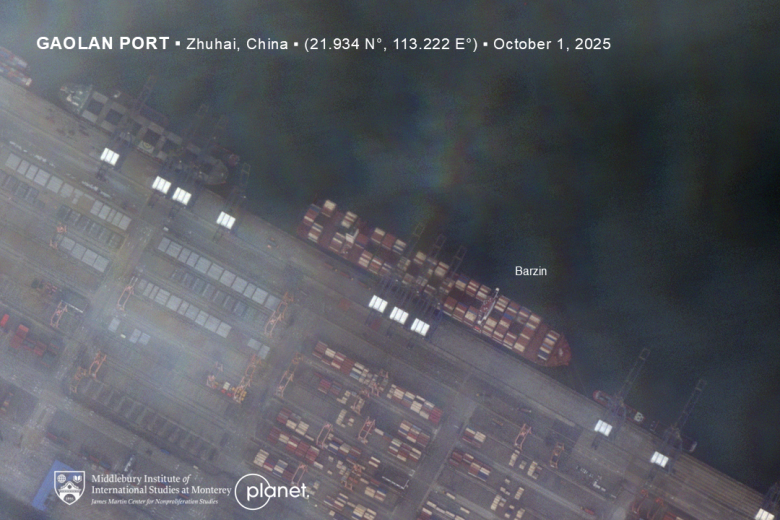
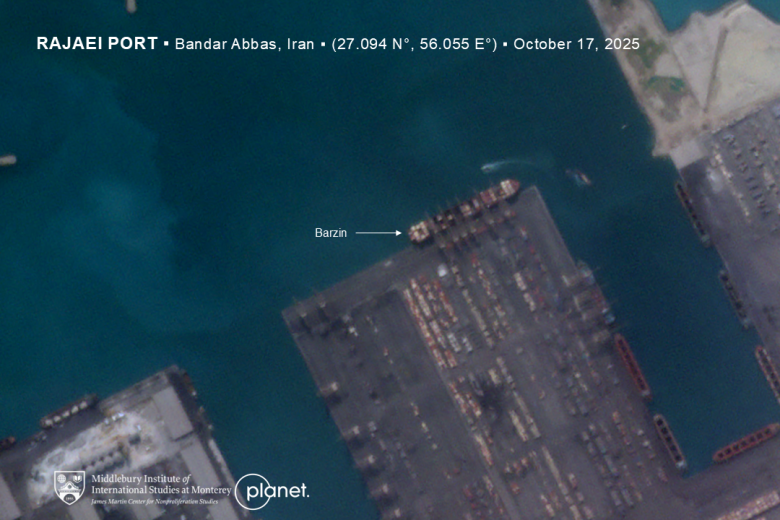
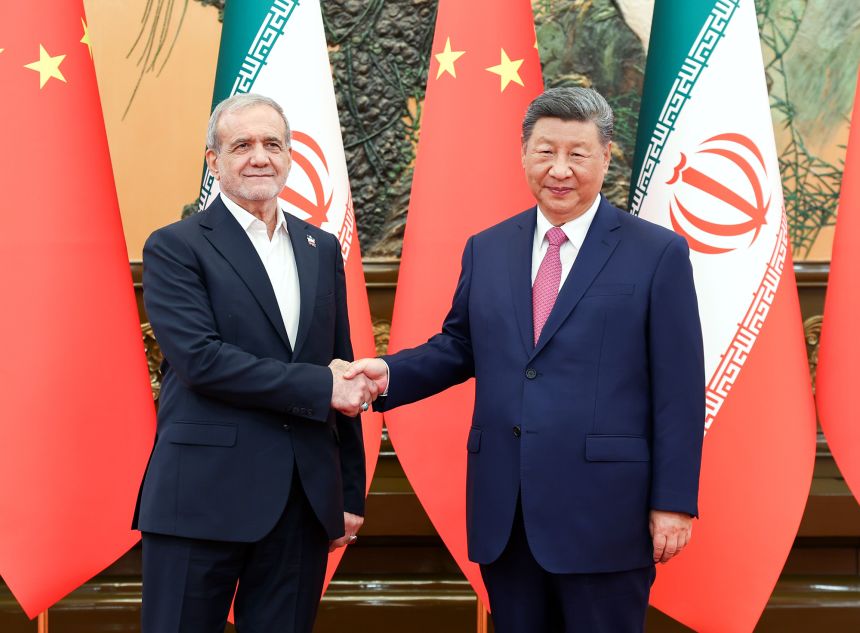
Iran appears to be stepping up the rebuilding of its ballistic missile program, despite the reintroduction last month of United Nations sanctions that ban arms sales to the country and ballistic missile activity. European intelligence sources say several shipments of sodium perchlorate, the main precursor in the production of the solid propellant that powers Iran’s mid-range conventional missiles, have arrived from China to the Iranian port of Bandar Abbas since the so-called “snapback” mechanism was triggered at the end of September. Those sources say the shipments, which began arriving on September 29, contain 2,000 tons of sodium perchlorate bought by Iran from Chinese suppliers in the wake of its 12-day conflict with Israel in June. The purchases are believed to be part of a determined effort to rebuild the Islamic Republic’s depleted missile stocks. Several of the cargo ships and Chinese entities involved are under sanctions from the United States. The deliveries come after more-than-a-decade-old UN sanctions were restored by the snapback mechanism – a provision for Iranian breaches of the 2015 Joint Comprehensive Plan of Action (JCPOA) deal to monitor its nuclear program. (…) While the shipped substance – sodium perchlorate – is not specifically named in UN documents on materials banned for export to Iran, it is a direct precursor of ammonium perchlorate, a listed and prohibited oxidizer used in ballistic missiles. However, experts say that the sanctions’ failure to explicitly prohibit the chemical may leave China room to argue that it is not in violation of any UN ban. CNN has followed the journeys of several cargo ships identified by the intelligence sources as being involved in the latest deliveries of sodium perchlorate from Chinese ports to Iran, using ship tracking data and the social media of their crew. Many of those vessels appear to have gone back and forth several times between China and Iran since the end of April. The sources say their crew seem to be employed by the Islamic Republic of Iran Shipping Lines and their regular social media posts provide a trail of their stops on the China to Iran journey. Among them is the MV Basht, already sanctioned by the US, which left the Chinese port of Zhuhai on September 15, arrived in Bandar Abbas on September 29 and since returned to China. (…) Similar shipments had previously been reported, but their intensification since the 12-day war – when the Israeli military targeted at least a third of the surface-to-surface launchers that fire Iran’s medium-range ballistic missiles (MRBMs) – suggests a renewed eagerness on the part of the Islamic Republic to arm itself. (…) In February, CNN reported the shipment of 1,000 tons of sodium perchlorate to Iran from China. By April, the US had slapped sanctions on several Iranian and Chinese entities, including vessels believed to play a role in “a network procuring ballistic missile propellant ingredients on behalf of Iran’s Revolutionary Guard Corps (IRGC).” Yet the shipments continued, the intelligence sources say, with the IRGC’s Self Sufficiency Jihad Organization acquiring another 1,000 tons of sodium perchlorate which left Taicang in China aboard the Hamouna on May 22 and arrived in Bandar Abbas on June 14 or 15. It set sail for the Iranian port less than a month after a massive explosion there on April 27, believed to have been caused by sodium perchlorate, killed 70 and wounded hundreds. The latest shipments represent much bigger quantities in a short space of time. The first of the 10 to 12 shipments that European intelligence sources have been tracking arrived in Iran on September 29, two days after the snapback mechanism – triggered in August by Germany, France, and the United Kingdom, the European partners to the JCPOA – restored UN sanctions. The others all left China after the sanctions were in place. CNN
Russia and China have increasingly acted as Iran’s “eyes” by providing high-tech strategic assets that range from orbital surveillance to advanced missile guidance. This cooperation sped up significantly following the regional escalations in 2025 (often referred to as the “12-Day War”). Assets from Russia: Strategic Deterrence. Russia’s contributions focus on heavy military hardware and dedicated orbital reconnaissance.Khayyam Spy Satellite: Launched in 2022, this is a Russian-built Kanopus-V satellite resulted by a Moscow-Tehran joint project. It provides Iran with 1.2-meter high-resolution imagery, allowing Tehran to task the satellite to monitor specific US and Israeli bases. Su-35 “Flanker-E” Fighter Jets: As of early 2026, Russia has begun delivery of a 48-unit order (approx. $6.5 billion). These jets are equipped with Khibiny-M electronic warfare pods and Irbis-E radars, which are specifically designed to detect low-observable (stealth) aircraft like the F-35. S-400 Air Defence Systems: Multiple intelligence reports confirm that Russia has delivered S-400 components to Iran to create a “layered” defence against Western air strikes. Rezonans-NE Radar: A sophisticated over-the-horizon radar system provided by Russia that is capable of tracking stealth targets and ballistic missiles at long ranges. Assets from China: “Intelligence & Guidance”. China’s support is more “silent” but arguably more critical for Tehran’s precision strike capabilities.BeiDou-3 Navigation System: Iran has officially transitioned its military architecture from US GPS to China’s BeiDou. Unlike GPS, BeiDou includes a short-message service that allows Iranian command nodes to communicate even if local networks are down. The Edge: Iran has access to encrypted, high-precision military signals (centimetre-level accuracy) that are resistant to Western jamming. Real-Time Intelligence Sharing: China utilises its fleet of 500+ satellites to provide Iran with constant SIGINT (Signals Intelligence) and terrain mapping. This support helps Iran track US naval movements in the Persian Gulf in real-time. CM-302 Supersonic Missiles: Tehran is currently finalising a deal for the CM-302 (the export version of the YJ-12). These are considered “carrier killers” due to their supersonic speed and 290km range, significantly boosting Iran’s ability to close the Strait of Hormuz. Anti-Stealth Radar (YLC-8B): China has supplied advanced UHF-band radars like the YLC-8B, which uses low-frequency waves to negate the radar-absorbent coatings used by US stealth bombers and fighters. By providing the “connective tissue” for Iran’s defence—specifically high-resolution imagery and jam-resistant targeting—these allies have ensured that Iran does not fight in a vacuum. Ultimately, the survival of the Iranian revolutionary government is tied to the viability of the INSTC and Belt and Road energy corridors. Silvia Boltuc (Special eurasia)
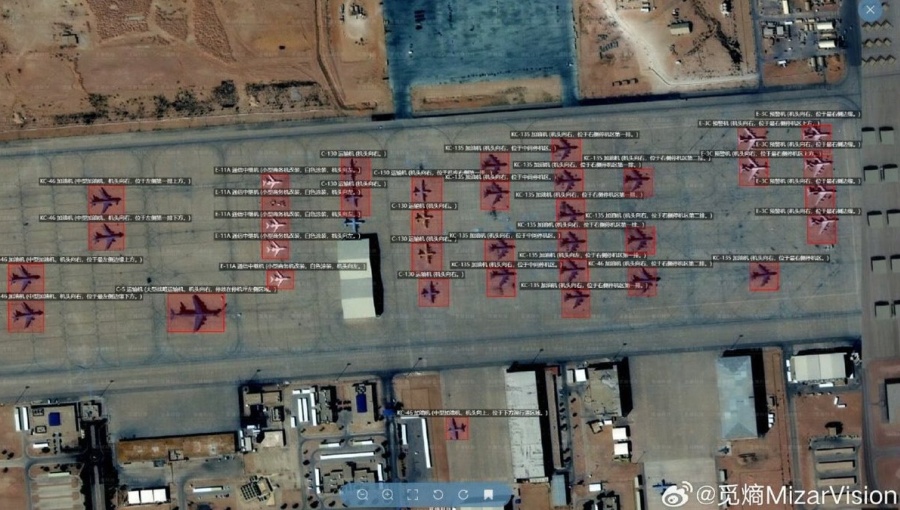
China is sharing its advanced satellite spy technology with Iran. You are looking at a Chinese commercial satellite photograph of Prince Sultan Air Base in Saudi Arabia. Every red box is an artificial intelligence model identifying a US military aircraft by type. Every label is in Mandarin. Only thirty-one E-3s remain in the entire US Air Force inventory worldwide, meaning roughly a fifth of America’s operational AWACS fleet is parked on a single ramp in the Saudi desert. The backbone of Operation Epic Fury, catalogued from space and published on Weibo. This is the base that Iran targeted. Which means Iran had exactly the same intelligence picture that MizarVision gave the entire world for free. This is what the democratization of intelligence looks like. In 1991, only the United States could see individual aircraft on a ramp from space. In 2003, a handful of nations had that capability. In 2026, a Chinese startup publishes annotated satellite imagery of American force dispositions on social media, and Aviation Week runs the analysis before the first missile is fired. Sub-meter resolution imagery distinguishing individual aircraft types fundamentally alters the secrecy calculus of pre-strike deployments. You cannot mass two hundred aircraft across half a dozen bases and keep it secret when commercial satellites photograph every ramp twice a day and AI models label every airframe before an analyst finishes their coffee. The age of hidden buildups is over. The next war will not be planned in secret. It will be watched from orbit by everyone, in every language, simultaneously. Shanaka Anslem Perera
Spain exported during 2024 and the first half of 2025 dual-use material to Iran for more than 1.3 million euros, among which were ‘detonators, explosives types A, B and E, laboratory reagents, and control software. La Razon
U.S. President Donald Trump on Monday said any country that does business with Iran will face a 25% tariff on trade with the U.S., as Tehran grapples with its most substantial anti-government protests in years. (…) Fuel is Iran’s biggest export item by value, while major imports include intermediate goods, vegetables, machinery and equipment. China is Iran’s largest trading partner. Iranian exports to China amounted to $22 billion in 2022, with fuels accounting for more than half of the total, according to the World Bank. Imports from China stood at $15 billion. In 2025, China bought more than 80% of Iran’s shipped oil, according to data from Kpler, an analytics firm. India’s total bilateral trade with Iran stood at $1.34 billion for the first 10 months of 2025, according to India’s commerce ministry. Major Indian exports to Iran include basmati rice, fruits, vegetables, drugs and other pharmaceutical products. Turkish exports to Iran were $2.3 billion in full-year 2025, while imports were $2.2 billion over 11 months of the year, according to sector and official data sources. Iran’s exports to Germany stood at around 217 million euros in the first eleven months of 2025, an increase of 1.7%, according to data from the state-owned international economic promotion agency Germany Trade & Invest. German exports to Iran fell by a quarter to 871 million euros over the period. South Korea’s exports to Iran between January and November 2025 were marginal at $129 million, while imports stood at $1.6 million during the same period, according to data from the Korea International Trade Association. Japan imported modest amounts of fruit, vegetables and textiles from Iran and shipped some machinery and vehicle engines there, according to the latest trade data from Japan that goes through November 2025. Reuters
Protesters marched past Trump Tower in NYC carrying a “Globalize The Intifada” sign alongside a portrait of Iran Supreme Leader Ali Khamenei. Crazy times with Iranians chanting for Trump, and Americans chanting for Khamenei. Mario Nawfal
If international law says Khamenei should still be in place, maybe international law deserves to be detonated along with him. Stephen Daisley (The Spectator)
Pourquoi une gauche mondiale préfère Khamenei vivant, à l’Iran libre ? Ce que révèle la mort du guide suprême de la République islamique ? Une fracture mondiale entre ceux qui veillent pour les Iraniens, et ceux qui tremblent pour la doctrine de leurs bourreaux. Kamel Daoud

Quelle inversion proprement carnavalesque de toutes les règles  ?

En ce début de carnaval juif de la Fête des Sorts dite de Pourim …

Cette plus profane avec Hanouka des fêtes juives, pourtant inclue dans le canon biblique,  commémorant elle aussi la délivrance d’une tentative de génocide …

Où sous l’influence des carnavals italiens médiévaux et entre mascarades, travestisme, enivrement ou incinérations du méchant Haman, toutes les transgressions semblent permises …

Trois semaines après les  manifestants iraniens qui pour le 47e anniversaire de leur révolution islamique avaient  brûlé une statue de Baal décorée du drapeau israélien tout en chantant « Mort à Israël ! » …

Quand le président capable des pires faiblesses et compromissions face au criminel de guerre Poutine …

Se mue soudainement en nouveau Cyrus ou Mardochée, incinération du nouveau Haman comprise, pour libérer le peuple perse …

Détournant  pendant des années les caméras de surveillance de Téhéran pour la circulation comme pour les opposants  pour suivre les allées et venues des dignitaires du régime …

Ou même à faire diriger une section de surveillance des espions israliens par des éléments du Mossad …

Quand les Iraniens de toute la planète chante les louanges de président américain…

Pendant que sans compter le sensationnalisme de médias qui montent  en avant les quatre morts en autant de jours …

Alros qu’en temps de paix les morts accidentelles d’une armée de plus d’un million dhommes et de femmmes dépassent les 900 annuels …

Et que le nombre des missiles iraniens fond de toute évidence comme neige au soleil …

Nombre d’Américains progressistes autoproclamés chantent celles d’un des pires tyrans de la planète …

Dûment fournis en armes et images satellite par les autres membres, à Pékin et Moscou,  de l’Axe du mal …

Quand en France comme le confirment désormais les sondages l’extrême-gauche…

Finit sous nos yeux à remplacer l’extrême-gauche comme force politique la plus antisémite …

Quand les pays arabes de la région, Qatar en tête, qui avaient si longtemps fermé les yeux voire soutenu et financé les actions terroristes des mollahs …

Découvrent enfin les destructions et les angoises des bombardements dans leurs propres viles et centres touristiques …

Quand les prétendus alliés occidentaux des Etats-Unis et d’Israël, le président français en tête, qui avaient tant reproché et avec raison au président américain son abandon de l’Urkraine …

N’ont pas de mots assez durs, voire comme l’Espagne ou le Royaume uni refusent leurs bases militaires, pour dénoncer l’actuelle intervention contre le régime qui après les milliers de victimes occidentales  avait massacré en deux jours des dizaines de milliers de manifestants pacifiques de sa propre population …

Quand le droit international invoqué par ces mêmes chefs d’Etat pour défendre la survie d’un régime génocidaire auto-proclamé …

Est celui même qui ces vingt dernières années dernières n’a condamné ce dernier que 16 fois contre 112 fois pour la seule véritable démocratie du Moyen-Orient …

Quand éclate enfin à la face du monde la nature proprement terroriste du régime des mollahs …

Qui dans le plus pur style palestinien installent leurs troupes et armements dans les hôpitaux et écoles

Et nos médias invités dans une école bombardée qui justement contre toutes les Conventions de Genève contenaient des forces militaires …

Ne font que répéter comme des perroquets les dénonciations classiques de la prétendue à une conférence de presse du porte-parole dudit régime génocidaire …

Contre les Américains et Israéliens « continuent à frapper sans discernement des zones résidentielles, n’épargnant ni les hôpitaux, ni les écoles, ni les installations du Croissant-Rouge, ni les monuments culturels » … ?

Iran demands international action after attacks impact hospitals, schools

Hospitals across Iran have been damaged by US, Israeli strikes – but no reports of direct hits yet.

Gandhi hospital in Tehran,

Gandhi Hospital in Tehran, Iran, was damaged when air strikes hit nearby on March 1, 2026 [Abedin Taherkenareh/EPA]

Voir aussi:

IRGC commanders hold meetings in hospitals, sources say
Reza Akvanian
Iran International
Feb 21, 2026
production/2d7319e1a7c5ee50af2d7bec7aba145124e2a79c-992×558.jpg?w=576&h=324&q=80&fit=max&auto=format » alt= »Exterior view of Khatam al-Anbia Hospital in Tehran » width= »450″ height= »253″ />

Exterior view of Khatam al-Anbia Hospital in Tehran

Islamic Revolutionary Guards Corps commanders have held meetings inside hospitals in recent days, hospital staff told Iran International, raising concerns over the growing militarization of civilian spaces and potential risks to patients, medical workers and the public.

Several military commanders and IRGC personnel convened sessions inside the medical facility over the past week, accompanied by security teams and holding discussions unrelated to healthcare, a hospital employee in Tehran said. The source spoke on condition of anonymity due to fear of repercussions.

“The presence of these individuals, along with their protection units, has alarmed staff because the meetings had nothing to do with medical matters,” the employee said.

The reports come against a backdrop of previous allegations that security forces used public institutions during unrest, blurring the line between civilian and military functions.

Use of civilian sites during protests

During the January 8 and 9 protests and the days that followed, multiple accounts described security operations from within public buildings. Witnesses and local media reported gunfire at demonstrators from inside a governor’s office and from the roof of a hospital in Gorgan. In Arak and Sari, schools were used to station forces and hold detainees.

  • Who was behind Iran’s deadly crackdown?


    Who was behind Iran’s deadly crackdown?

Similar reports emerged from Shiraz, Gorgan and Tehran describing the deployment of armed personnel in hospitals and, in some cases, gunfire from the rooftops of medical centers toward protesters. Authorities have not publicly clarified the scope or legal basis of such deployments.

Security forces have also gathered in recent days at certain sports stadiums and arenas, a move sources describe as an effort to shield personnel and equipment from potential US or Israeli strikes by embedding them in densely populated civilian areas.

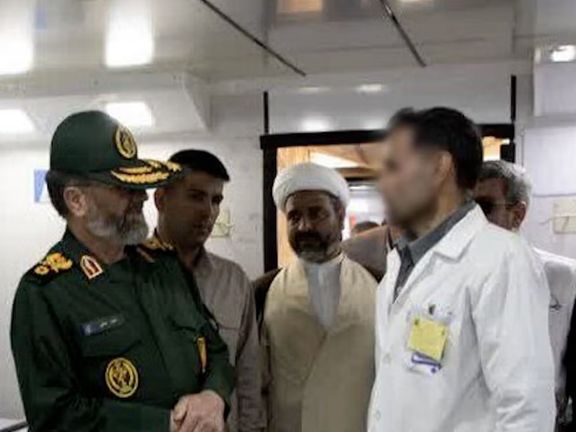
Iranian military and clerical officials visit a hospital ward, speaking with medical staff.

“No justification for human shields”

Jamshid Barzegar, a political analyst and journalist, said the shift of military activity into hospitals reflects a pattern long seen in the Islamic Republic’s regional alliances.

“The Islamic Republic has once again brought inside the country a criminal pattern it has tested for years through its proxy forces in the region: militarizing civilian spaces and using civilians as human shields.”

Barzegar argued that similar tactics had been employed by allied groups in Syria, Gaza, Lebanon and Yemen, placing military assets in or near civilian infrastructure.

“Now that the Islamic Republic has cast the shadow of war over Iran, we are seeing the same methods being applied domestically,” he said. “In the bloodiest and largest crackdown on public protests in Iran’s history during January 8 and 9 and the days after, the presence of security forces resembled the conduct of extremist groups.”

Moving senior IRGC meetings into hospitals and deploying forces in stadiums and schools, Barzegar said, exposes civilians to heightened danger in any potential conflict.

“This is not only a sign of strategic weakness, but a message that the lives of ordinary Iranians carry little weight in the government’s calculations,” he said.

Under the Geneva Conventions and their additional protocols, he added, using medical facilities for military purposes can jeopardize their protected status under international humanitarian law.

  • From call-up to cleanup: An operative’s insider account of Tehran’s killing nights


    From call-up to cleanup: An operative’s insider account of Tehran’s killing nights

“When commanders enter hospitals with protection teams and hold non-medical meetings, they are effectively taking patients and medical staff hostage to their own security considerations,” Barzegar said. “There is no justification for using civilians as human shields.”

Legal risks and accountability

Hossein Raisi, a human rights lawyer and academic, said international humanitarian law strictly prohibits converting civilian facilities such as hospitals, clinics, places of worship and historic sites into venues for military operations.

“Any party that knowingly turns a civilian site into a center of military activity during armed conflict commits a war crime,” Raisi said.

Even if an adversary attacks such a location, causing casualties or damage, that attack may also constitute a war crime if carried out deliberately and without regard for civilian protection, he added.

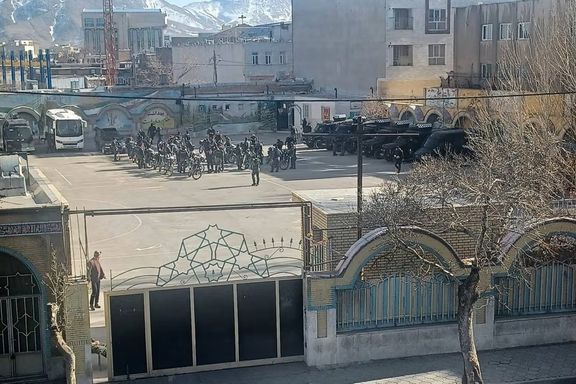
Security forces gather in a school courtyard during the January protests in Iran.

“Transferring military command functions into an active hospital where patients and medical staff are present does not transform that location into a legitimate military target,” Raisi said.

“Civilians are not aware of these hidden changes and have no meaningful opportunity to leave.”

If military units or equipment are placed near schools, children or medical facilities with knowledge that an attack could cause civilian deaths, those responsible could face serious legal consequences, Raisi said.

“Under the laws of war, both sides have an obligation to minimize harm to civilians,” he noted.

“If casualties occur because civilians were deliberately exposed to risk, responsibility can attach to those who created that situation as well as to those who launched an unlawful attack.”

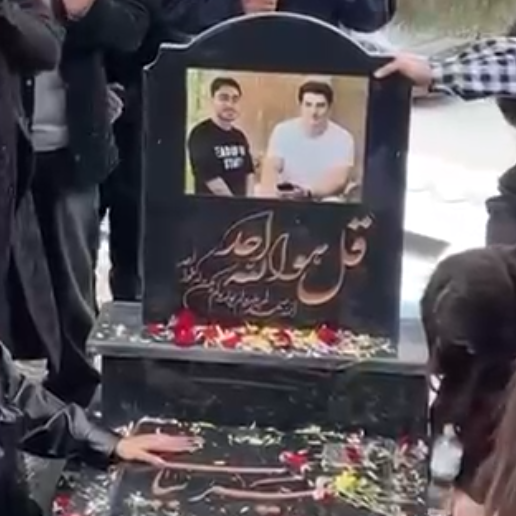
The breathing tube was already in his mouth when, according to his father, the final shot was fired. It is one of many accounts emerging from Iran’s January protest crackdown.

Voir également:

China’s high quality commercial satellites images upend the space-based intelligence balance in Iran war

Chinese commercial satellite imagery identifying US aircraft at Prince Sultan Air Base before an Iranian strike highlights how open-source intelligence is reshaping the secrecy of modern warfare. / bne IntelliNews
Ben Aris in Berlin
Intellnews
March 3, 2026A Chinese satellite picture of US fighter jets standing on the runway Prince Sultan Air Base in the Kingdom of Saudi Arabia (KSA) has shaken the military analyst community.Released by Hangzhou-based startup MizarVision, the annotated image showed what US-based publication Aviation Week later confirmed showed over a dozen US planes massed at the airbase in preparation for the start of Operation Epic Fury on February 28.The quality of the image had a resolution of under one meter and the planes on the tarmac were identified by what was presumed to be an AI, giving their type and specification. Until the release of this image on the public internet, it was assumed that only the US had satellites of this quality and resolution. The image suggests that the US has lost its monopoly on space-based surveillance.China’s commercial space sector has entered an epoch-changing era in a way that could reshape modern conflicts, according to Shanaka Anslem Perera, author of The Ascent Begins and political analyst, who argues that the publication of detailed satellite imagery of US military assets in Saudi Arabia demonstrates the “democratisation of intelligence”.The planes standing in readiness in KSA included: 15 KC-135 aerial refuelling tankers, six KC-46 Pegasus tankers, six E-3 Sentry airborne early warning aircraft, two E-11A Battlefield Airborne Communications Nodes, as well as C-130 Hercules and C-5 Galaxy transport aircraft.Some of those details are of obvious significance. The E-3 surveillance planes are especially rare, as the US fleet is made of some 30 of these planes, easily identifiable by their very large round radar housing that sits above the fuselage and are essential for monitoring and communications during a hot conflict. A fifth of the US entire stock of these planes was plainly visible at Prince Sultan Air testifying the imminence of the start of Operation Epic Fury over a week before it started.The picture also strongly suggests that China is sharing its advanced satellite images of US military distribution in the Middle East with Tehran that can be used to target Iran’s missile attacks on US bases as soon as the hostilities broke out.“China is sharing its advanced satellite spy technology with Iran,” Perera said. “You are looking at a Chinese commercial satellite photograph of Prince Sultan Air Base in Saudi Arabia. Every red box is an artificial intelligence model identifying a US military aircraft by type. Every label is in Mandarin.”“Only thirty-one E-3s remain in the entire US Air Force inventory worldwide, meaning roughly a fifth of America’s operational AWACS fleet is parked on a single ramp in the Saudi desert,” Perera noted.The base was subsequently targeted by Iranian ballistic missiles, with AFP journalists reporting explosions in Riyadh’s eastern districts. Saudi authorities said air defences intercepted the missiles. The fate of the planes is unknown. The significance lies not in the strike itself but in the accessibility of the intelligence.“The backbone of Operation Epic Fury, catalogued from space and published on Weibo. This is the base that Iran targeted,” he said. “Which means Iran had exactly the same intelligence picture that MizarVision gave the entire world for free.”The release of the image represents a structural shift in military intelligence.“This is what the democratization of intelligence looks like,” Perera said. “In 1991, only the United States could see individual aircraft on a ramp from space. In 2003, a handful of nations had that capability. In 2026, a Chinese startup publishes annotated satellite imagery of American force dispositions on social media, and Aviation Week runs the analysis before the first missile is fired.”Citing analysis from Defence Security Asia, Perera added that “sub-meter resolution imagery distinguishing individual aircraft types fundamentally alters the secrecy calculus of pre-strike deployments”.“You cannot mass two hundred aircraft across half a dozen bases and keep it secret when commercial satellites photograph every ramp twice a day and AI models label every airframe before an analyst finishes their coffee,” he said. “The age of hidden buildups is over.”“The next war will not be planned in secret,” Perera concluded. “It will be watched from orbit by everyone, in every language, simultaneously.”Voir de même:

Western intelligence says Iran is rearming despite UN sanctions, with China’s help
Gianluca Mezzofiore
CNN
Oct 31, 2025

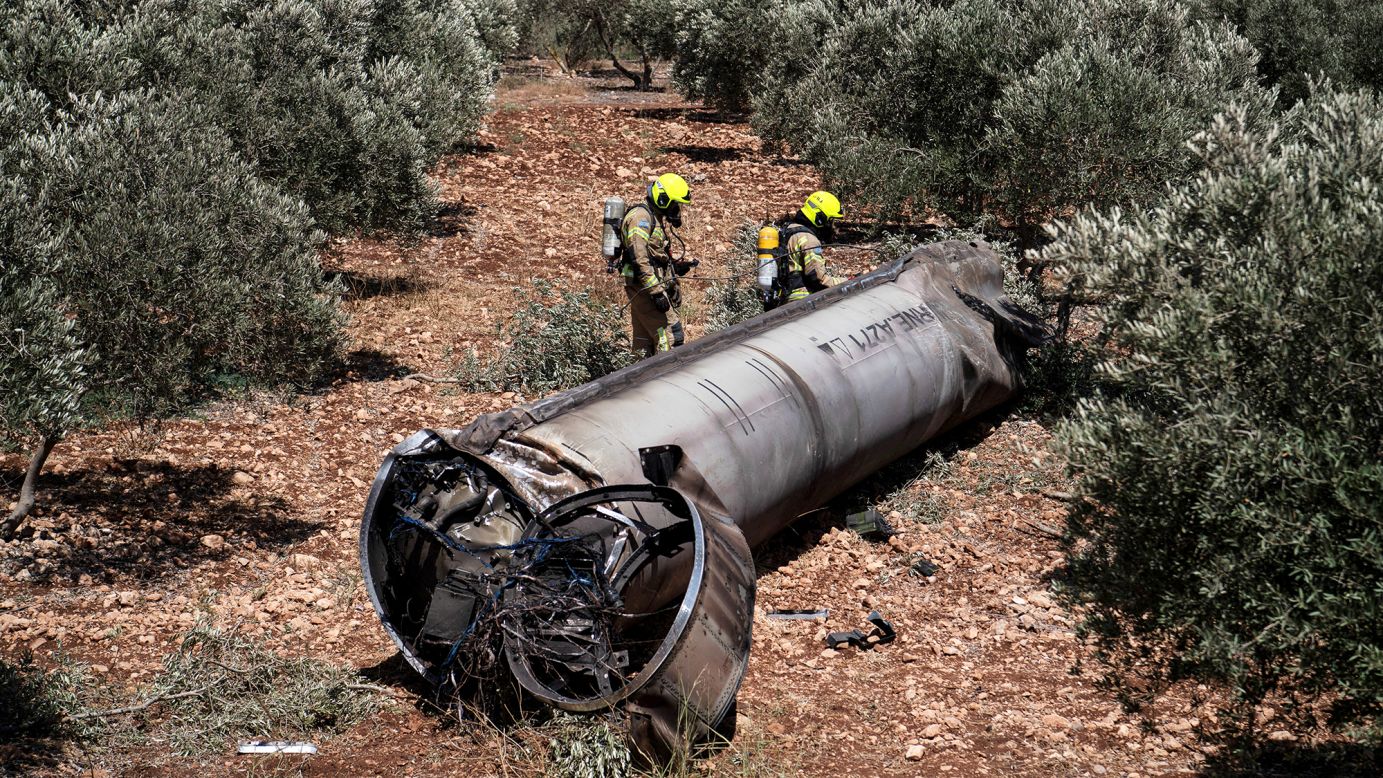
Members of the Israeli special forces check the apparent remains of a ballistic missile lying on the ground before being evacuated from the location where they were found, following missile attacks by Iran on Israel in June.